
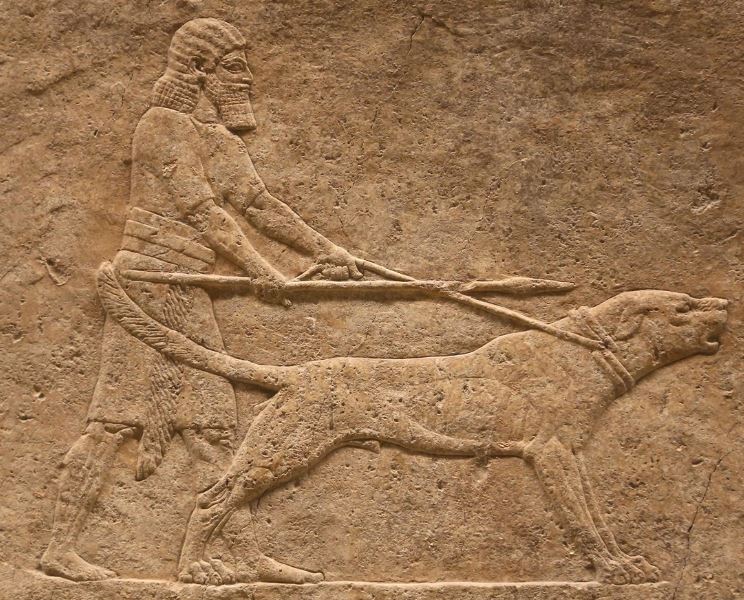
In ancient times, dogs held significant importance in various cultures, specifically bred for protective purposes. Here are some examples of dog breeds that were specifically bred for protection in ancient times:
Molossers: One of the most well-known ancient guardian breeds was the Molosser, named after the ancient region of Molossia in Epirus (present-day Albania and Greece). These dogs were large, powerful, and specifically bred for protecting livestock and dwellings. Over time, the breed evolved and was appreciated as a guard and protection dog by various cultures, including the Romans. Historical records and artifacts, such as statues and mosaics, attest to the presence of Molossers in antiquity.
Molossers were renowned for their impressive size and strength, featuring robust bodies, massive heads, and a distinct protective instinct. These physical characteristics made them effective guardians of livestock and homes. The Romans, as mentioned earlier, were also known for utilizing guard dogs. The Roman Molosser, resulting from crosses between local dogs and imported Molossers, served as both a guard and war dog. These dogs were often kept near villas and military camps to protect property and warn against intruders.
The presence of Molossers in antiquity is documented through artistic representations. Statues, mosaics, and other artifacts often depict these dogs near humans or herds, underscoring their significance in ancient society. Despite changes over time and the development of new dog breeds, some modern breeds trace their roots back to ancient Molossers. Certain breeders actively work to preserve the heritage and characteristics of Molossers in the present.
Tibetan Mastiff: The Tibetan Mastiff, also known as Do Khyi, represents a fascinating blend of protective functions and spiritual symbolism in antiquity, particularly in the Himalayas and Tibet, where they were an integral part of Tibetan cultural heritage. The breed has a rich history dating back up to 2000 years.
Tibetan Mastiffs gained significant importance in Tibetan monasteries, where they served as guardians. Monks valued their ability to guard monastery grounds and protect against intruders. Positioned strategically, these dogs provided early warnings of potential threats. The remote Tibetan monasteries faced not only human threats but also dangers from wild animals. Due to their size, strength, and natural protective instincts, Tibetan Mastiffs were ideal for defending against both human intruders and predators like bears and snow leopards.
The Tibetan Mastiff was not only considered a working dog but also a spiritual symbol. Their calm and balanced demeanor was associated with spiritual purity. It was believed that the presence of these dogs not only protected the monastery from physical threats but also created a harmonious and spiritual atmosphere.
This dog breed is characterized by an impressive size, muscular build, and dense, weather-resistant coat. Their natural intelligence, loyalty, and independence are traits cultivated through selective breeding over generations. The Tibetan Mastiff remains a revered breed worldwide, not just in Tibet. Their traditional roles as guard dogs and companions have proven successful in various parts of the world. Despite their initial connection to Tibetan monasteries, they are now also found in private households as loyal family companions.
Egyptian Tesem: In ancient Egypt, the Tesem was considered a breed valued for its protective qualities. These dogs were small to medium-sized and served as guard dogs in homes and palaces while also being considered companions in daily life. Their sharp instincts and ability to respond to intruders made them effective protectors. The Egyptian society, aiming to safeguard homes and palaces from theft and unwanted access, appreciated these abilities. Reliefs and murals from ancient Egypt depict the presence of Tesem dogs.
The Tesem was small to medium-sized, with upright ears and a short tail. Reliefs and murals from ancient Egypt illustrate the presence of Tesem dogs, and these physical features help identify the breed in ancient depictions. The selection of these features suggests deliberate breeding practices.
These dogs were often portrayed alongside humans, whether in everyday scenes or as guards at gates and entrances. Such artistic representations serve as visual evidence of the significant role Tesem dogs played in Egyptian society. In some instances, dogs, including the Tesem, were buried as grave offerings. This indicates that dogs were not only valued as companions in life but also in the afterlife. The Egyptian belief that dogs protect and accompany souls is reflected in these burial practices.
In Egyptian mythology, the dog plays a significant role. Anubis, the god of funeral rites and mummification, is often depicted with a dog head. This representation emphasizes the connection between dogs and the afterlife in Egyptian religion.
The Tesem and other ancient Egyptian dog breeds might have influenced modern breeds. Some breeders view these historical breeds as inspiration for preserving specific traits or characteristics.
In the next part of our series, we will delve into the Industrial Revolution and the transformation of dogs into household pets.
 OJgoldenretriever - Fashionist Dog Whisperer